
Urban Green Area Recovery Project of Sclerophyllous Forest Affected by Wildfire and Community Integration Plan
Bako Foundation
The Foundation's objective will be to protect areas where native Chilean forests have existed and exist, manage the reproduction of native tree species threatened with extinction, create urban parks where the community is invited to interact with nature and participate in tree planting programs, care for native Chilean flora, instill the importance of the conservation of flora and fauna, especially native species, so that future generations grow with a deep understanding and respect for it, carry out and promote physical activity and sports, carry out multicultural activities, teaching and learning about the different ethnicities and cultures of Latin America and their closeness to the land and flora.
Alejandro Gallardo G.
Bako Foundation was established in El Olivar; our vision for the foundation's future was shaped by our own experiences in this community. We suffered from the fire and lost everything from our homes to sprouted seedlings and young trees, all native species. Fortunately, all losses were material, so we will be able to recover. We also saw with sorrow how the wetland was destroyed for the construction of buildings, and we didn't want to leave this plot without a use that could benefit the entire sector. It is a non-buildable land and is perfect for bringing life, encouraging physical activity, showcasing our native flora, and creating a green lung in conjunction with the reconstruction of the community.
Generalities
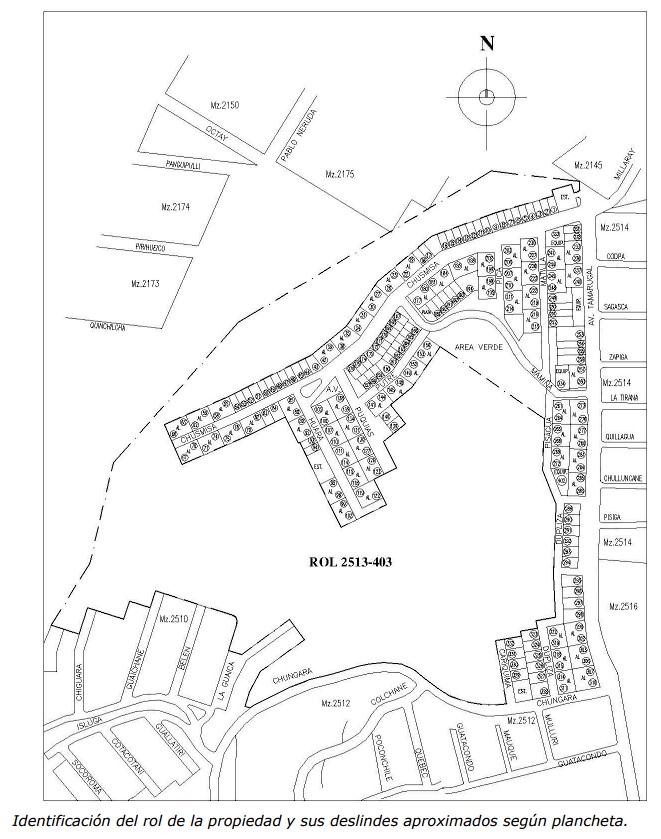
The following generalities correspond to the development of a project for the restoration, improvement, and public access of urban green areas that were affected by the forest fire of February 3, 2024, which affected the El Olivar population in Viña del Mar. It is well known that endemic species of Chile grow at a much slower rate than invasive species (pine, eucalyptus, acacia, among others), so the process of restoring them takes longer, especially in these cases where the loss was total. The land to be intervened is identified with the property role 2513-403, it has an approximate area of 71,486 square meters, most of which is a hillside. Looking back a bit, the land has never been intervened before, except for small changes that people made privately, such as gardens or temporary housing, it has not been used for decades, which due to its particular topography has been eroded by rain and wind on its slopes most exposed to the sun, and on its shady slopes we see how the vegetation has disappeared due to human intervention, in some cases used as an illegal dump. Along with a neighboring hillside, during the rainy season they are a source of water for the stream that fed the Botanical Garden.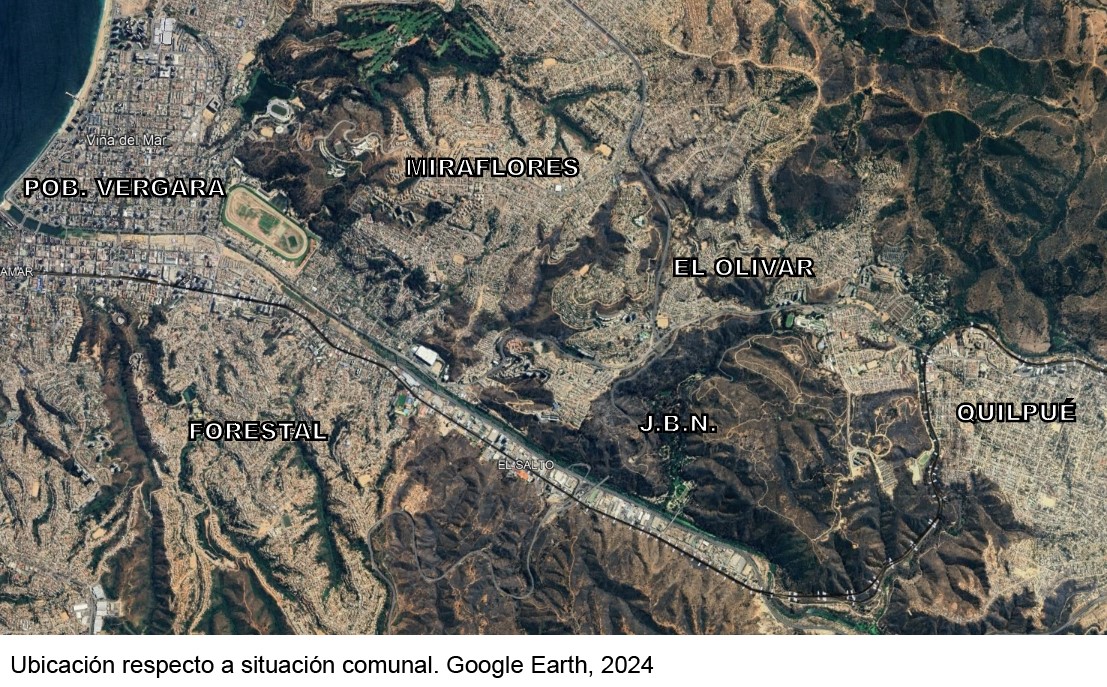
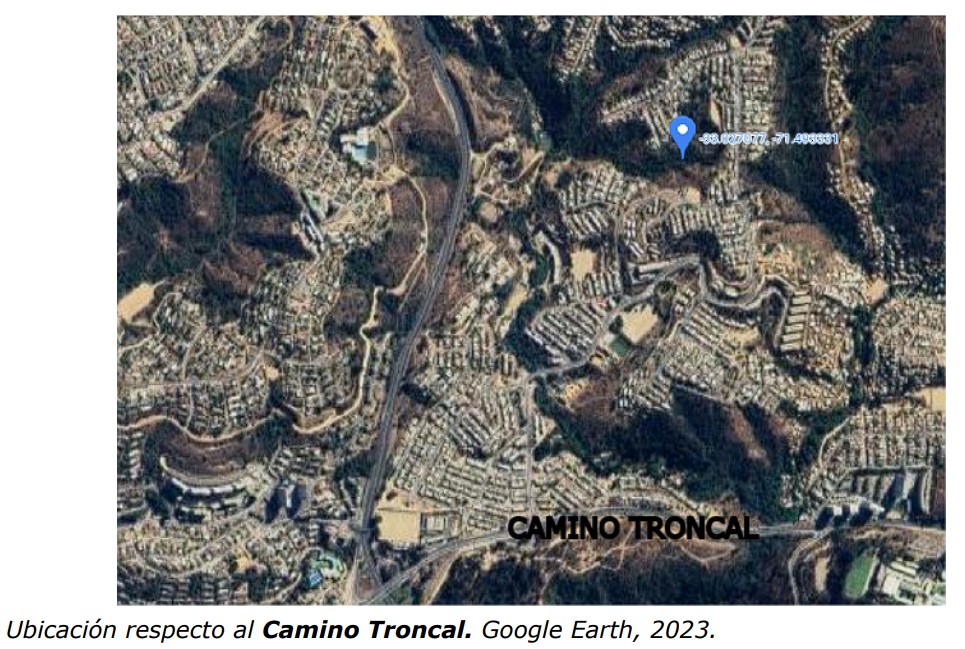
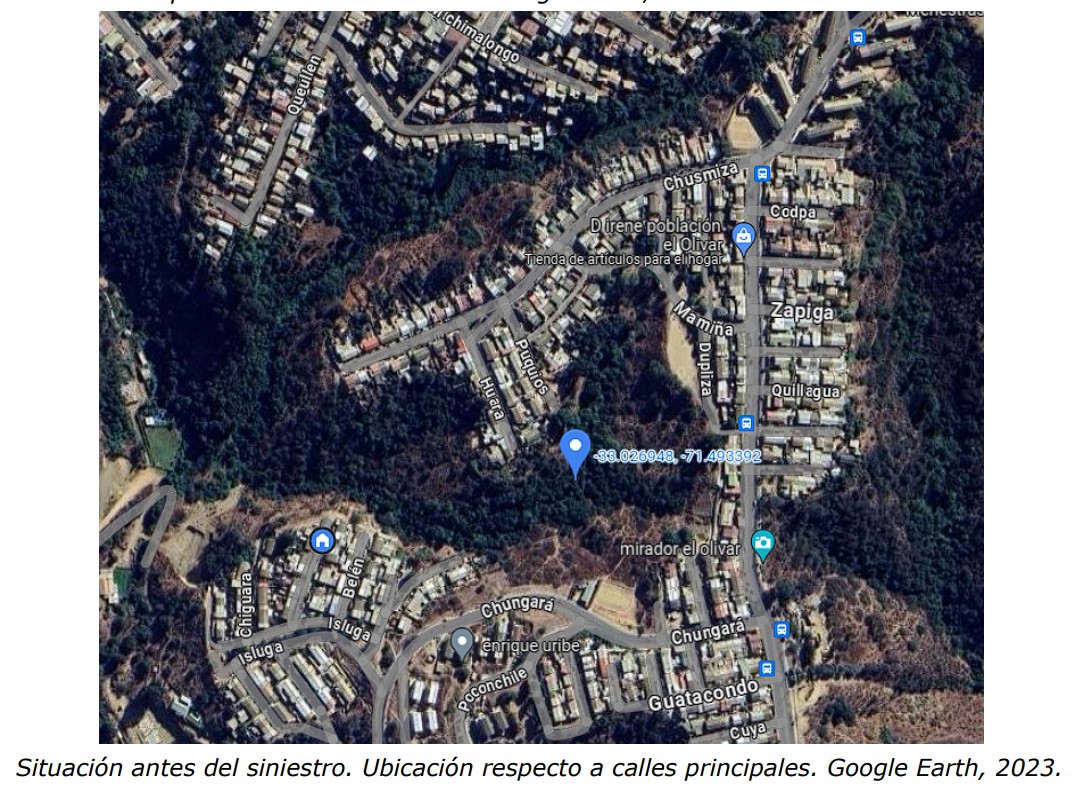
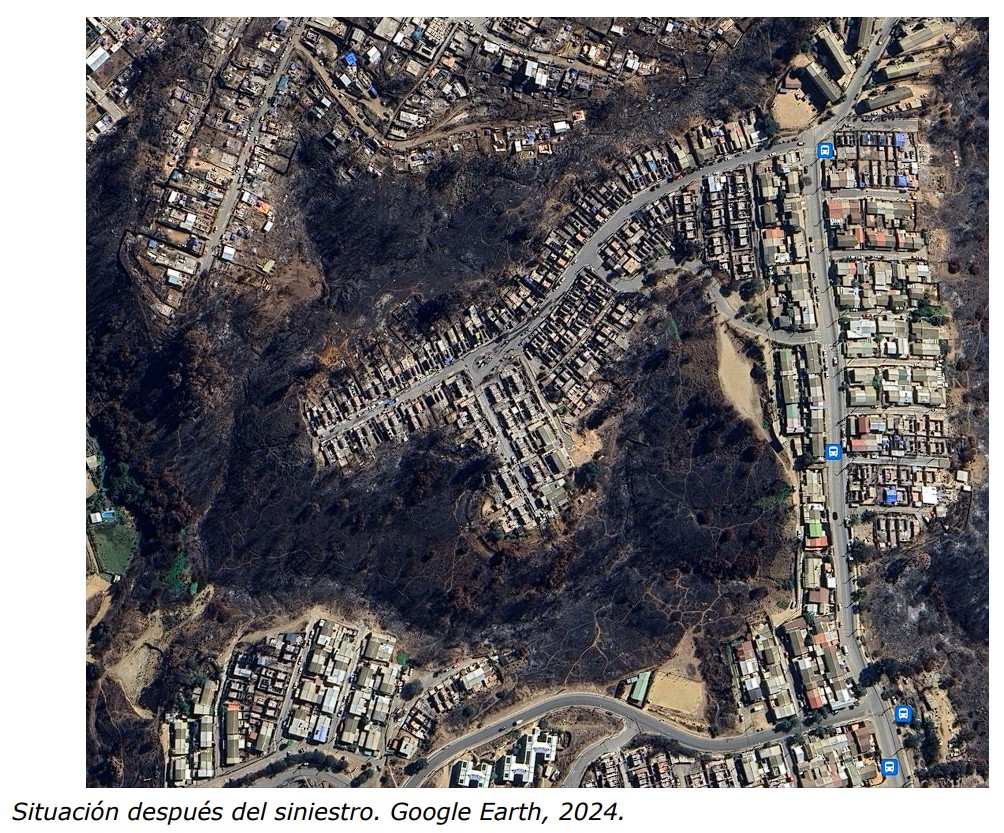
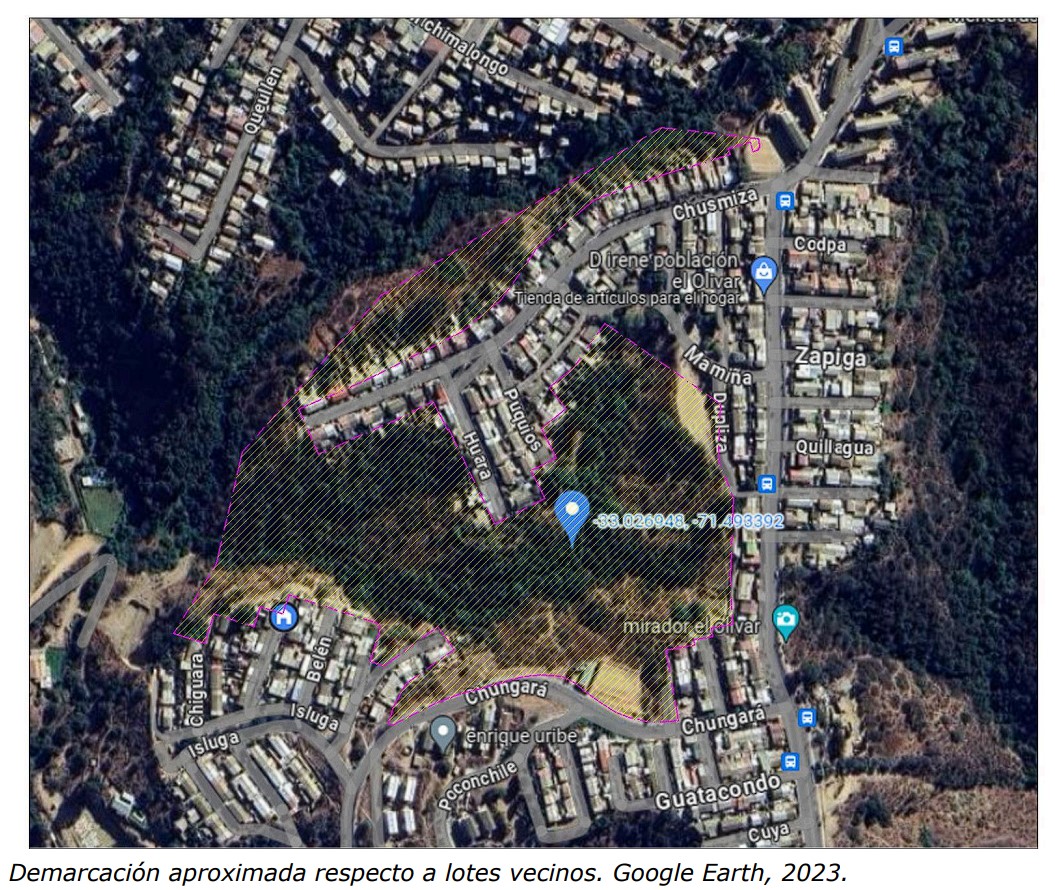
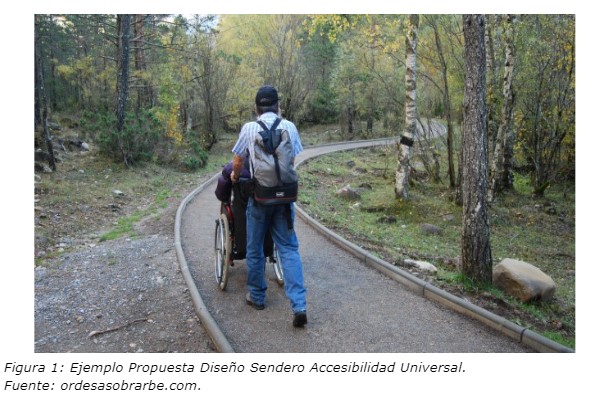
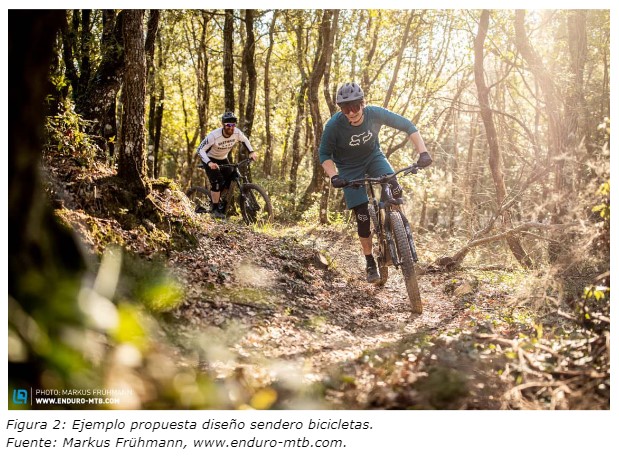
The park aims to create a direct positive impact on approximately 962 families located near the park, specifically Villa Arauco and the 1st Sector of El Olivar, and an indirect impact on 1265 families located in the 2nd Sector of El Olivar, part of the 1st Sector, and a portion of Villa Independencia. The park will operate under private administration by the foundation, considering the hiring of personnel from the El Olivar area for its operation. The park's opening and closing hours will be defined in the future, taking into account the opinions of the neighbors. However, initially, the park will be open from 9:00 am to 7:00 pm. To finance the park, activities such as guided tours along the trails for groups, enduro trail championship-type activities, native species commercialization, recycling points, and private donations are being evaluated.


Work Consignment
The project is also divided into short, medium, and long-term installments, which will go hand in hand with the reconstruction of the population. The short-term installments are biennial, the medium-term installments are quinquenniel, and the long-term installments are decennial and vicennial.
I. Topography
The first step is to conduct a topographic survey to detail the exact boundaries of the land and to be able to plan all the trails and infrastructure of the park based on real data. A specialized entity will be requested for this.II. Fenced
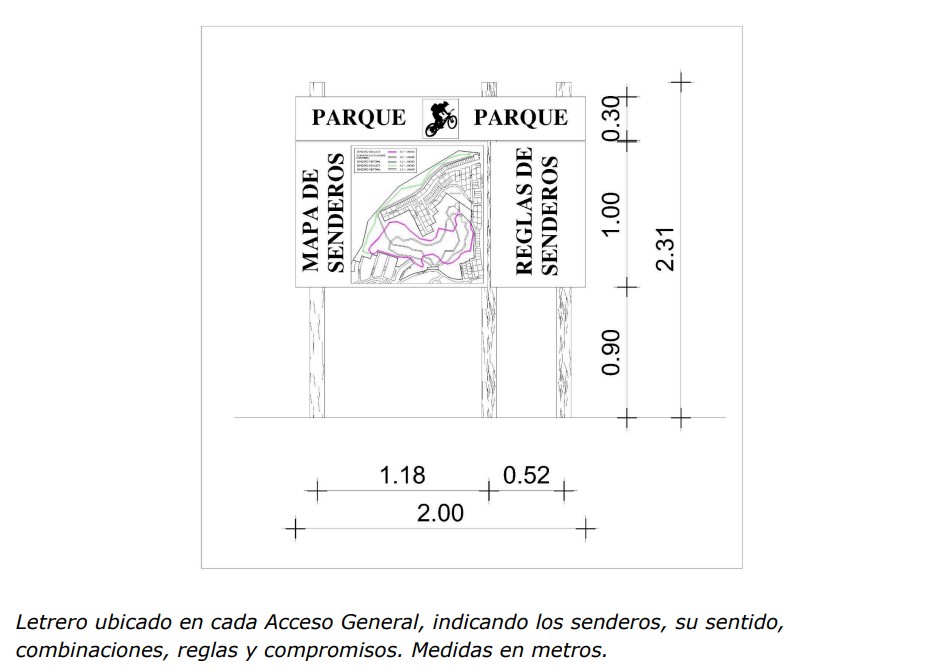
Initially, the land will be delimited with a temporary fence. Signs with information about the project will be installed in designated locations. Once the majority of the project is completed, a decision will be made on whether to continue with the fence made of poles and mesh or to implement another option.III. Diffusion
Installing signs on the property boundaries will help identify where the park will be located. Initially, people will be encouraged to use technology to learn about the project by visiting the foundation's website. Word-of-mouth and talks at neighborhood meetings will be used to present the project to each of the surrounding residents and create feedback with the community.IV. Cleaning the land
The land is invaded, as in much of the urban territory, by species that are not native to the area, such as eucalyptus, from the oceanic continent, radiata pine, from North America, and acacias from Australia, all trees that in some way influence the poor development of native species. Therefore, their eradication will be carried out. For this, an identification of the species to be eradicated will be carried out, indicating them with some type of recognizable mark, such as a type of striking red or yellow fabric. As well as the removal of garbage and debris caused by the fire.V. Potable Water and Sewage
The feasibility of sewage and drinking water will be consulted according to the project requirements. These will be to enable basic sanitary services for the park, for human consumption and wet networks.VI. Firewall
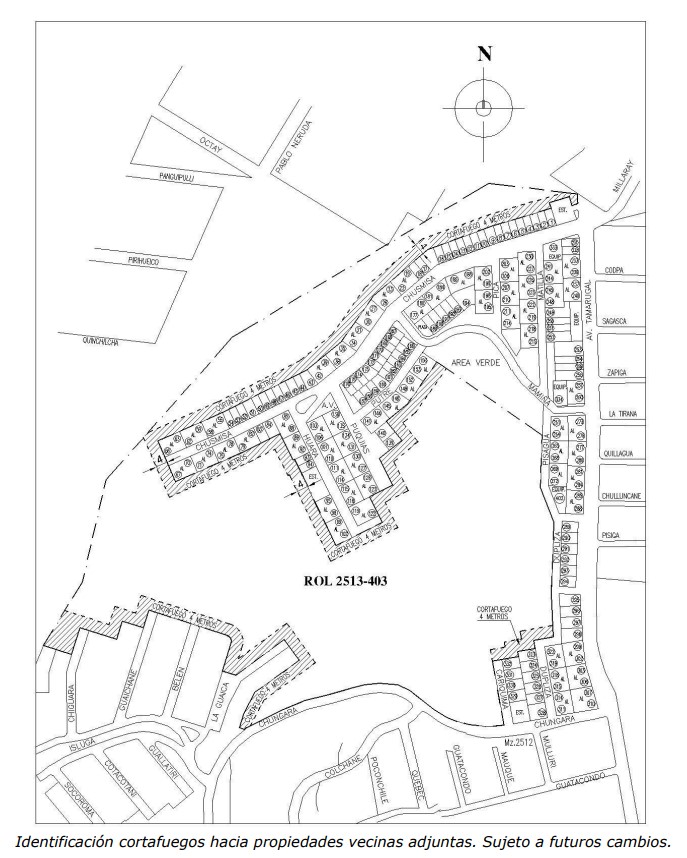
We need to learn from mistakes. Throughout the perimeter of the property that borders neighboring lands, firebreaks will be installed. These will be used as part of the trails in some sections. The implementation of wet networks is also considered for a quick attack in case of emergencies, according to current regulations.VII. Replanning the park design
With the topographic project, it is possible to design the trails, structures, material calculations, and construction times in more detail.VIII. Soil Recovery
The project includes restructuring the land to enable trails, and work to increase rainwater retention in the soil and create infiltration for the benefit of new trees and plants.IX. Nursery and temporary/permanent facilities
The construction of a nursery for the acclimatization of new trees is being considered, as well as the construction of all facilities for the development of activities that will be carried out from now on, such as warehouses, access roads, security, signage, and services.X. Public Toilet Services
It is consulted the implementation of public sanitation services, which will be subject to the current regulations of the General Urban Planning and Construction Ordinance and the Regulation of Domestic Sewerage and Potable Water Installations.XI. Planting the first trees
With the planting design for each tree and species in place, the first specimens will be planted. The best conditions will be considered to achieve a high acclimatization rate, as well as a blend of species that have synergy with each other, as would be found in a natural sclerophyllous forest.End of the first stage called short-term works consignment
This would be the general overview of the first stage of the project, which will focus on planning and establishing the conditions for the project to function. Following this, there will be reports on the medium-term progress of the different parts, conclusions on the short-term measures, the addition of new species to increase biodiversity, and modifications to the planning as circumstances evolve.Estimates associated with the aforementioned short-term items.
Topographic Estimate
The project requires a topographic survey of the current state of the land, identifying level elevations every fifty centimeters, the boundaries according to the deed, as well as the elevation of associated streets for more precise references. The project delivery requires two (2) physical paper copies and one digital copy. An estimated budget of seven (7) million Chilean pesos is required.Estimate diffusion and social media
The creation of graphics for printing and distribution around the property perimeter is being considered, as well as the creation of audiovisual material for meetings and talks with the population. Social media will be managed by a trained individual. An estimated budget of four (4) million Chilean pesos is anticipated.Presupuesto cercado
The installation of a fence made of 4-inch wooden logs, spaced every 3 meters, is requested. The logs will be covered with 50-millimeter galvanized mesh, reaching a height of 1.80 meters. The mesh will be secured with 25-millimeter U-shaped galvanized staples, using 4 staples per log. Based on preliminary estimates, until a topographic plan is available, the total perimeter fencing will be 2,350 linear meters. The budget for this item amounts to twenty-five (25) million Chilean pesos.Presupuesto limpieza de terreno y cortafuegos
The removal of invasive species according to the land registry is being considered, as well as the removal of debris and garbage accumulated over time. Also, the creation of firebreaks three (3) meters wide from the property boundaries inwards. Manual labor assisted by machinery is considered. The budget is estimated at eight (8) million Chilean pesos.Presupuesto Movimientos de tierra
This item includes all the terracing and trail work for the park according to the design plan. It considers manual labor assisted by machinery. The item is estimated at seventeen (17) million Chilean pesos.Presupuesto vivero y bodega
The installation of a wooden nursery is being consulted, with an arch in Acma C-92 mesh, covered with transparent polyethylene, measuring three (3) meters wide by six (6) meters long, with a maximum height of two point two (2.2) meters. For the storage area, a pine wood installation of 2”x3” is considered, covered with OSB panels, the dimensions will be two by three meters, with a ventilation window and an access door of the same material. An estimate of three (3) million Chilean pesos is considered.Presupuesto Accesos Generales
It is considered to make 3 general accesses, detailed in reference plans, which will be in 200 millimeter wooden logs. An estimate of two (2) million Chilean pesos per access is considered, giving a total of (6) million Chilean pesos.Presupuesto servicios higiénicos
The construction of sanitary facilities for the general public and workers is being consulted, taking into account the project presentation phase to ESVAL until its execution. All services will be designed according to current standards. An estimate of nineteen (19) million Chilean pesos is considered.Total estimate for short-term items: $89,000,000 Chilean pesos.
The results of the short-term items will be reflected from one to three years, to allow for the inclusion of medium-term items. During this period, work will also be done by adding everything complementary to the items, such as detailed estimates, rigor in income and expenses, corresponding permits, species behavior reports, annual rainfall records, planning letters, soil studies, as well as adding new services to the park. As a Foundation, we hope to be able to shed light on this project to create a space that the Botanical Garden gave us before the fire, but now closer to the sector and also commit to caring for and, above all, protecting endangered species that are only found in our territory. In turn, we would like to replicate this model in other sectors of El Olivar and populations, generating these spaces.
Species
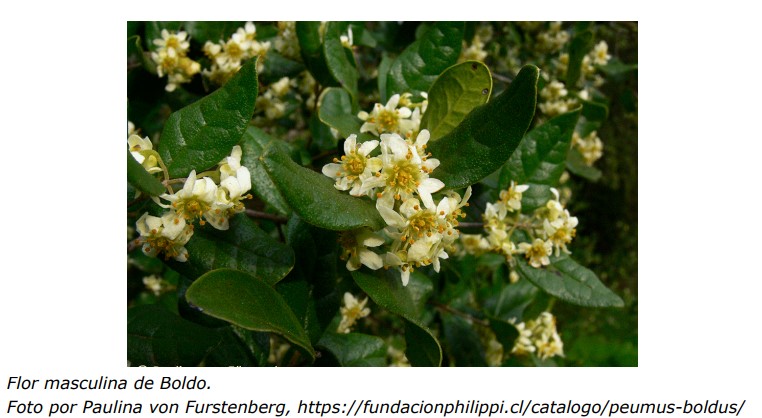
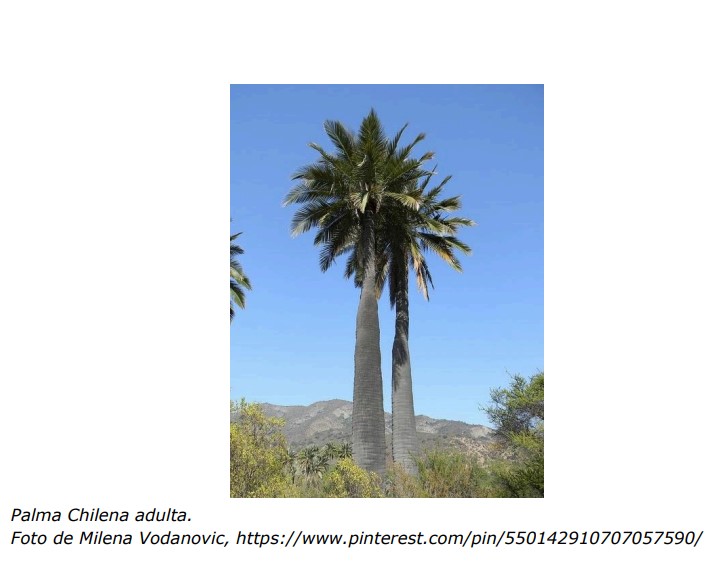
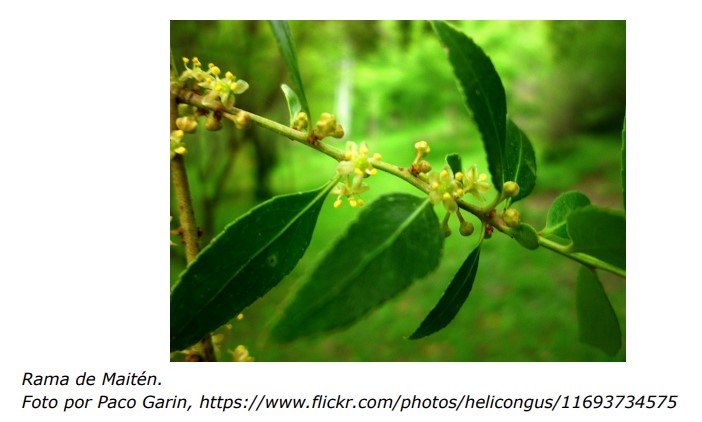
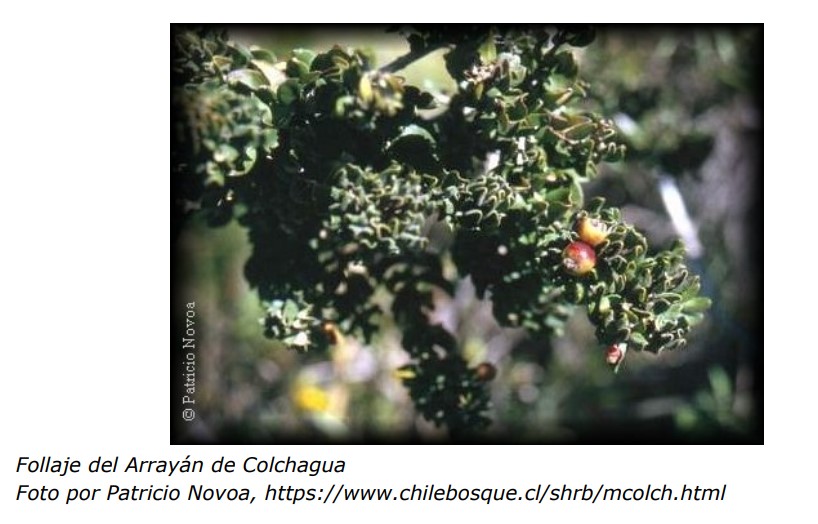
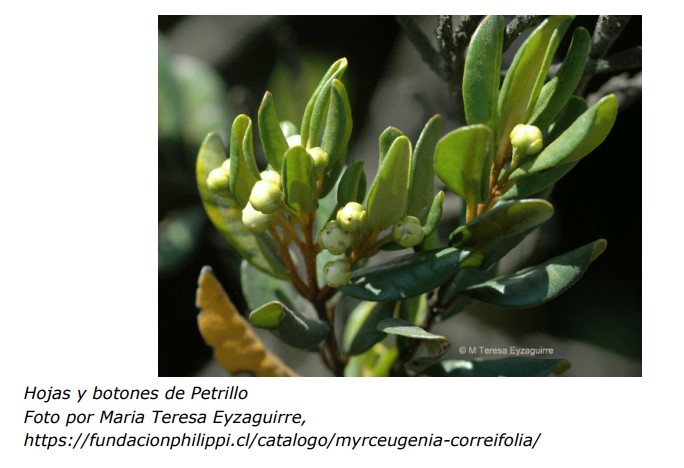
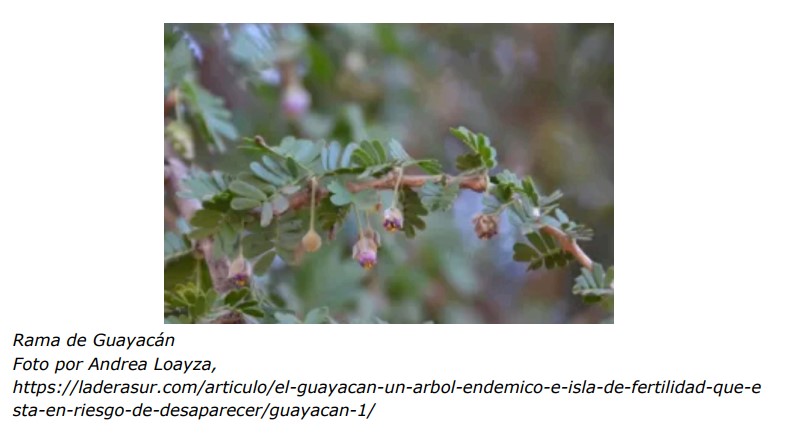
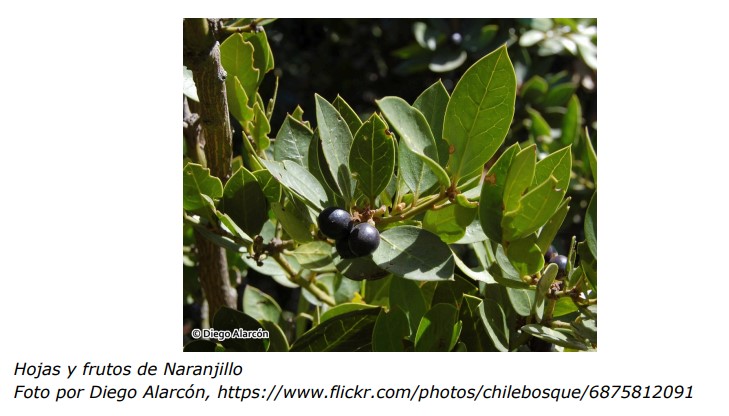
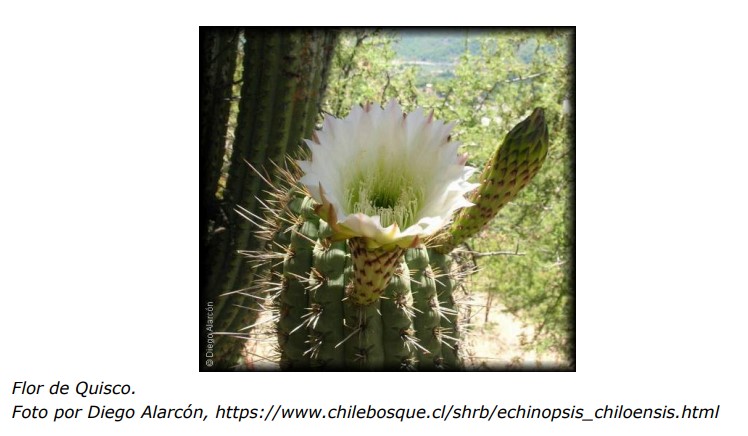
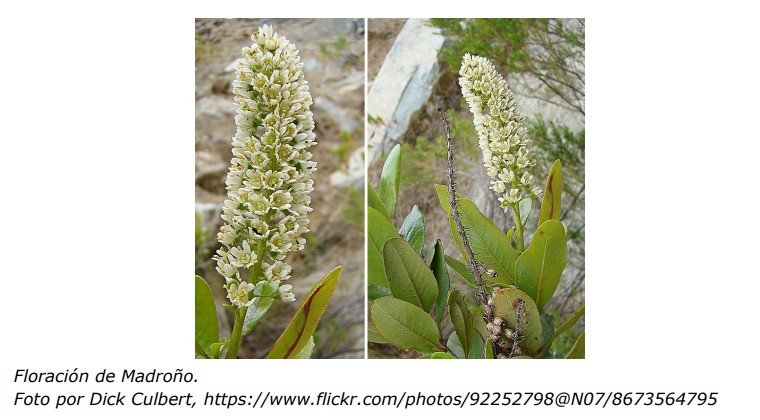
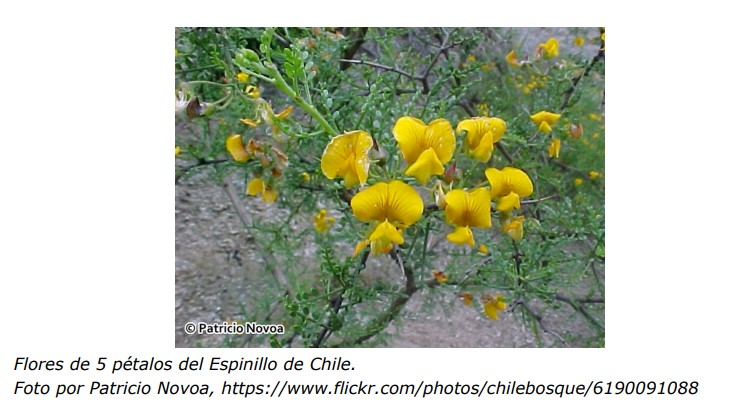
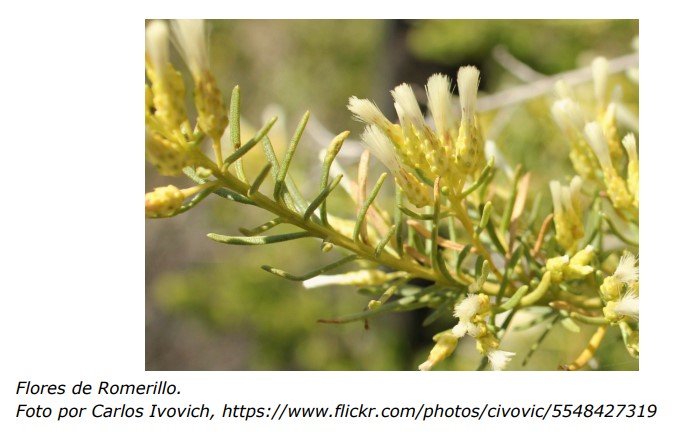
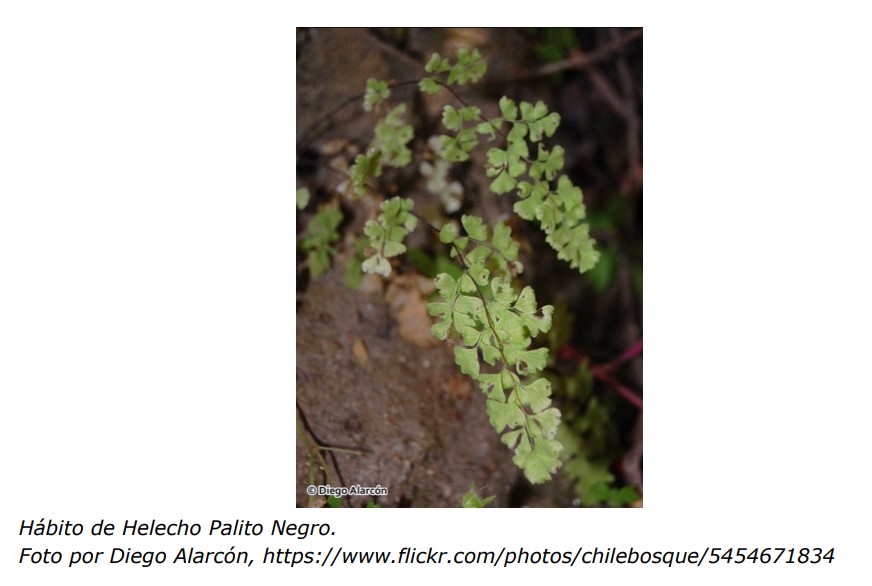
For the selection of species to be established, considerations will be taken such as their conservation status in nature and access to shoots or seeds. For proper stratification, trees, shrubs, bushes, herbs, and fungi were considered. Their behavior under water stress and their relationship with shady and sunny slopes were also taken into account. All species that are on one side of the pedestrian paths will be identified with a totem that will indicate their scientific name, common name, when they were planted in the ground, and their conservation status.- All
- Shady
- Suntrap










Team Bako

Alejandro Gallardo G.
FounderNeighbor of El Olivar, enjoys nature, tranquility, and bicycles.

Le P0chicha
PresidentNeighbor of El Olivar, likes nature and tranquility.

Elizabeth Gallardo G.
SecretaryNeighbor of El Olivar, entrepreneur with Borboleta, textiles and crafts, and chef of La Miguita Pastry and Cocktail Bar.
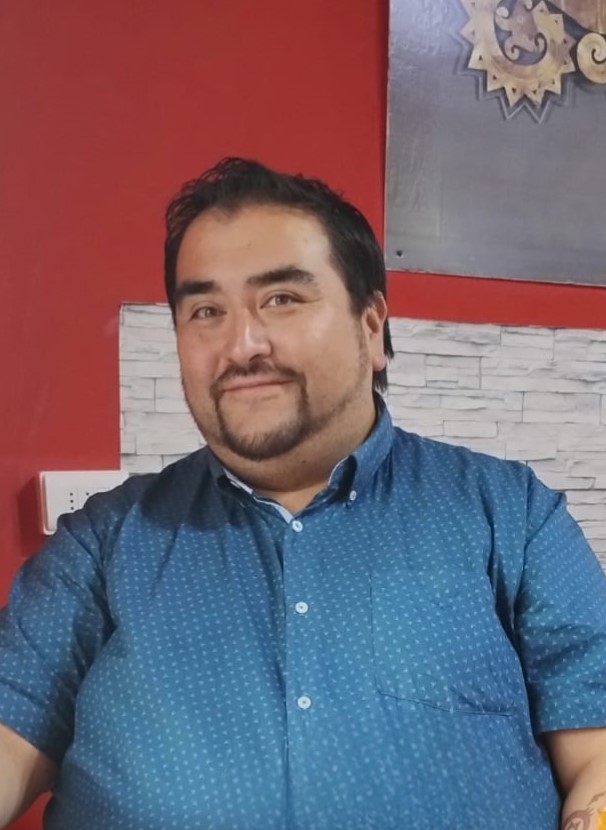
Daniel Quiroz C.
TesoreryAuditor accountant with experience in multiple accounting and auditing tasks in various companies where he has interacted, in addition to carrying out accounting outsourcing in SMEs.
Contact
For more information about the project, private donations, or if you want to join and be part of Fundación Bako, you can write to us from the message box. We will be happy to answer any questions you may have.
Location:
Guaichane 73, Vina del Mar, Chile, 2560977
e-mail:
contacto@fundacionbako.cl
Phone:
+56 9 7968 8646